Introduction
In the world of medical care, specialized knowledge and abilities are critical. Wound treatment nursing is one such field of expertise that needs a deep understanding of wound pathology, treatment methods, and client monitoring. The function of a wound treatment registered nurse prolongs past standard treatment; it includes vital thinking, professional judgment, and compassionate person involvement. As the population ages and persistent health problems become more common, the need for proficient injury treatment specialists remains to climb. This short article discovers the complexities of Wound Treatment Nurse Training: Getting Ready For Real-World Challenges, describing the education and learning needed, the obstacles dealt with in method, and techniques for effective injury management.
Wound Care Nurse Training: Planning For Real-World Challenges
Wound treatment nurse training is not just a scholastic undertaking; it's an extensive technique to equip registered nurses with vital skills to handle complicated scenarios involving clients with wounds. From surgical wounds to press ulcers and diabetic person foot ulcers, each instance provides distinct challenges calling for tailored services.
Understanding Wound Pathophysiology
The Healing Refine of Wounds
Before diving right into useful applications, it's essential to comprehend how injuries recover. The healing procedure contains four phases: hemostasis, swelling, proliferation, and improvement. Each phase plays an essential duty in bring back skin integrity.
Hemostasis: Right away after injury, blood vessels constrict to reduce bleeding. Inflammation: Leukocyte migrate to the website to avoid infection. Proliferation: New tissue develops as fibroblasts generate collagen. Remodeling: The wound grows in time as collagen reorganizes.Understanding these phases is foundational in wound care specialist training, enabling nurses to examine healing progression accurately.
Types of Wounds
Different sorts of wounds require various methods:
- Acute Wounds: Surgical incisions that commonly follow a predictable recovery path. Chronic Wounds: Such as venous abscess or diabetic person foot abscess that might require advanced interventions.
By identifying these distinctions early on in their training, registered nurses can customize their treatment intends accordingly.
Wound Treatment Educating for Registered Nurses: Curriculum Overview
Core Parts of Training Programs
Most wound care training courses include a number of core parts crucial for creating competent practitioners:
Anatomy and Physiology Basic Wound Treatment Techniques Advanced Therapy Modalities Patient Analysis Skills Psychosocial Factors in Healing Legal and Honest ConsiderationsThese parts guarantee that nurses have a well-rounded education incorporating both academic expertise and functional skills.
Hands-On Training Opportunities
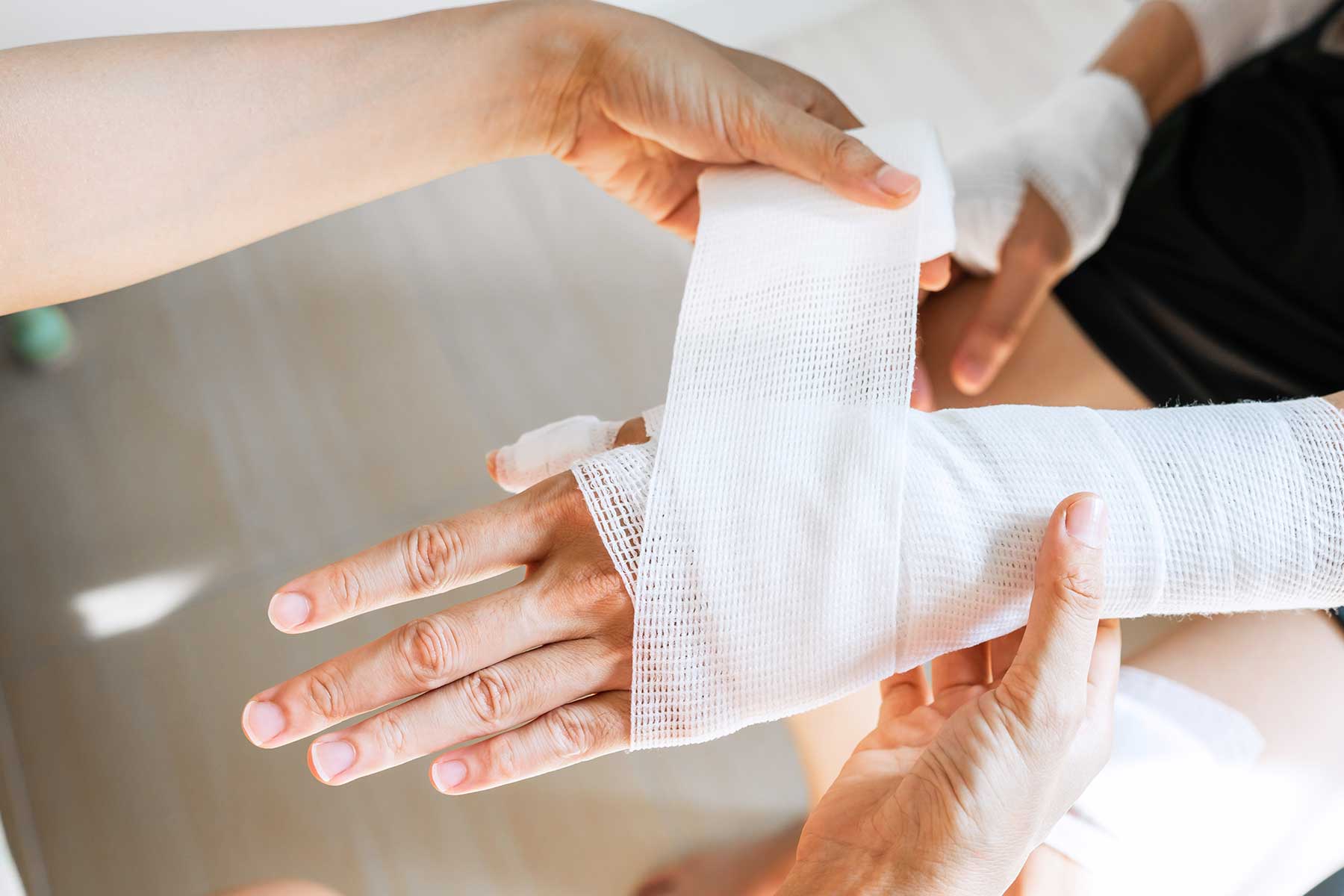
Practical experience is vital in nursing injury care training Simulation laboratories supply safe environments where trainees can practice dressing adjustments, utilize medical devices, and take part in patient simulations prior to entering real-world settings.
Challenges Faced by Injury Care Nurses
Managing Facility Cases
One of the most substantial challenges in wound treatment nursing is taking care of complex cases involving numerous comorbidities like diabetes mellitus or vascular diseases. Such problems make complex recovery procedures and call for advanced expertise for efficient management.
Emotional Toll on Nurses
Caring for individuals with chronic wounds often comes with psychological concerns as a result of extended treatments and the capacity for poor outcomes. Approaches for self-care are crucial in mitigating stress among injury treatment professionals.
Essential Abilities Established Throughout Injury Treatment Nurse Training
Clinical Skills
Through wound treatment training, nurses find out vital clinical skills such as:
- Accurate analysis techniques Effective dressing application Infection control protocols
These expertises prepared for successful individual outcomes.
Communication Skills
Effective interaction is crucial when reviewing treatment plans with clients and their families-- especially when enlightening them about self-care techniques or resolving issues about recuperation timelines.
Technological Advancements in Wound Management
Innovative Treatments Readily available for Nurses
With advancements in modern technology come brand-new tools that improve wound administration:
- Bioengineered skin substitutes Negative pressure injury therapy (NPWT) Telehealth solutions
Training programs currently incorporate these technologies right into their educational program so that nurses are proficient when they go into scientific practice.
The Duty of Evidence-Based Technique in Injury Treatment Management
Importance of Research in Nursing Practices
Adopting evidence-based practices guarantees that registered nurses offer top quality care based upon current study findings rather than outdated methods or unscientific evidence.
Chronic Wound Care Management Strategies
Developing Comprehensive Therapy Plans
For individuals with chronic wounds, developing individualized treatment plans is crucial. These plans should address underlying issues such as inadequate flow or inadequate nourishment while supplying cautious tracking throughout the healing process.
NDIS Wound Treatment Initiatives
Supporting Individuals with Handicaps with Specialized Programs
The National Disability Insurance coverage Scheme (NDIS) has certain standards tailored toward individuals requiring substantial wound management support because of handicaps or chronic health conditions.
Continuing Education Requirements Post-Certification
Continuous expert development makes certain that licensed injury treatment professionals remain informed regarding advancing finest methods within their field-- a need offered fast advancements across medical care fields today!
Networking Opportunities within Expert Organizations
Engaging with professional organizations fosters partnership among peers enables sharing experiences leading towards enhanced criteria throughout numerous practices globally!
The Future Landscape of Wound Care Nursing Careers
basic wound care trainingThrough continuous advancements combined together with boosted demands throughout society's aging population; possibilities are plentiful within this specialized area!
FAQs about Injury Care Nurse Training
What certifications do I need to end up being a wound treatment nurse?
To come to be a qualified injury care registered nurse you generally require an active RN permit together with specialized training courses concentrating particularly on sophisticated methods connected straight in the direction of handling complex/chronic injuries effectively!
How long does it require to finish a wound care training program?
Most programs last anywhere from several weeks up till several months depending upon whether they use part-time/full-time alternatives readily available along with program material depth.
Are there on the internet choices available for getting certification?
Yes! Numerous organizations now provide wound treatment training courses on the internet making them obtainable regardless geographic location!
What are some common certifications identified within this field?
Commonly identified accreditations include CWCN (Certified Wound Treatment Registered Nurse), CWS (Licensed Injury Specialist), & & AWCP (Advanced Injury Treatment Professional).

Is proceeding education mandatory after certification?
Yes! Continuous education needs ensure professionals remain upgraded regarding developing techniques/methodologies which eventually enhances individual end results long-lasting!
li24/ol3/##
Conclusion
In summary, Wound Treatment Registered nurse Training: Preparing for Real-World Challenges stands for an essential pathway towards becoming competent specialists efficient in navigating intricate individual situations properly while supplying exceptional high quality health care solutions overall! Via rigorous academic prep work combined together with hands-on experiences gained during this trip-- students arise prepared geared up not simply tackle immediate problems yet likewise proactively manage future difficulties in advance ensuring ideal results attained every action along method ahead with each other collaboratively moving in the direction of brighter horizons loaded really hope makeover lives touched positively forevermore!